 GDU
GDU
 UUUFLY
 DJI
DJI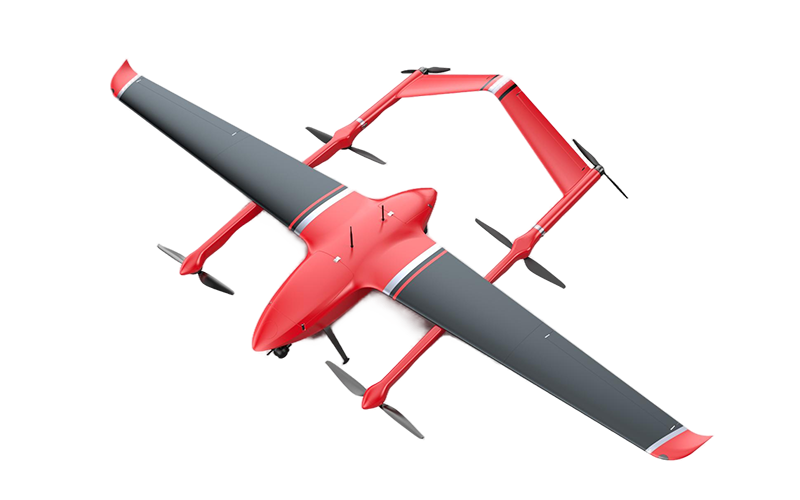 MMC
MMC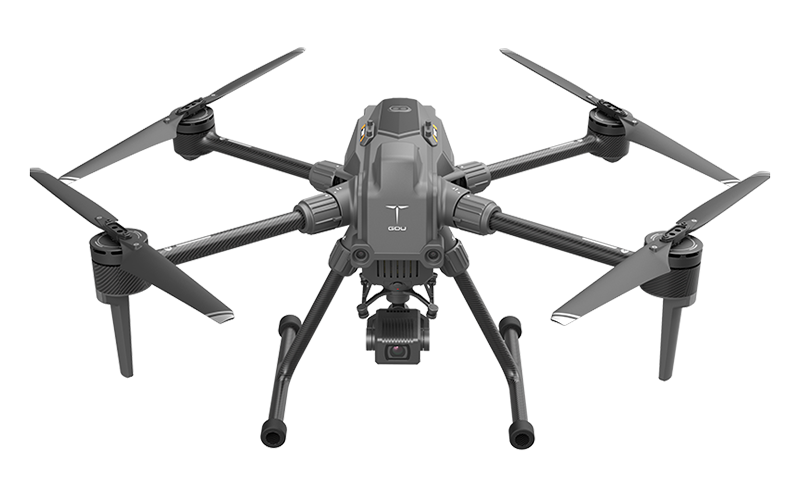 GDU
GDU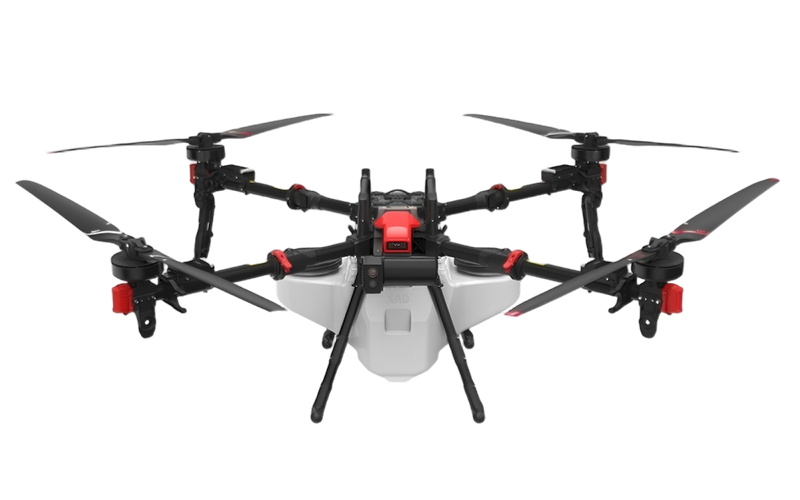 XAG
XAG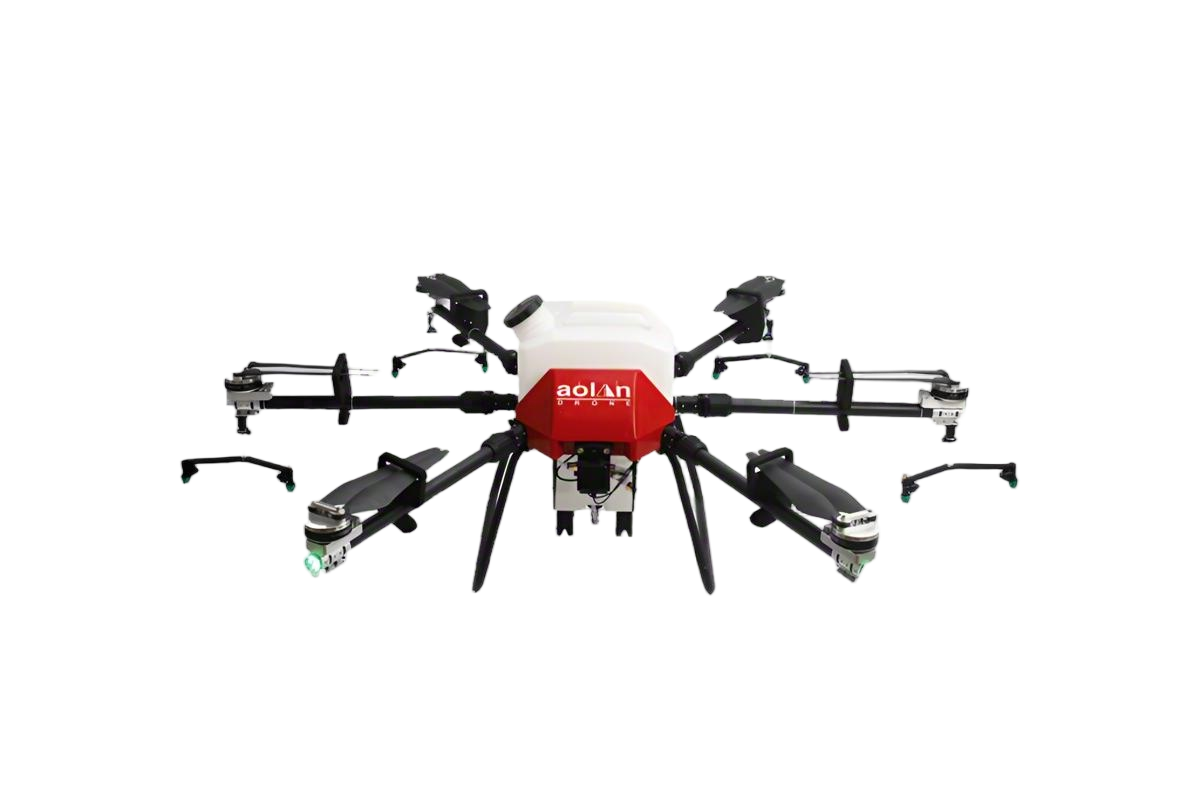 AOLAN
AOLAN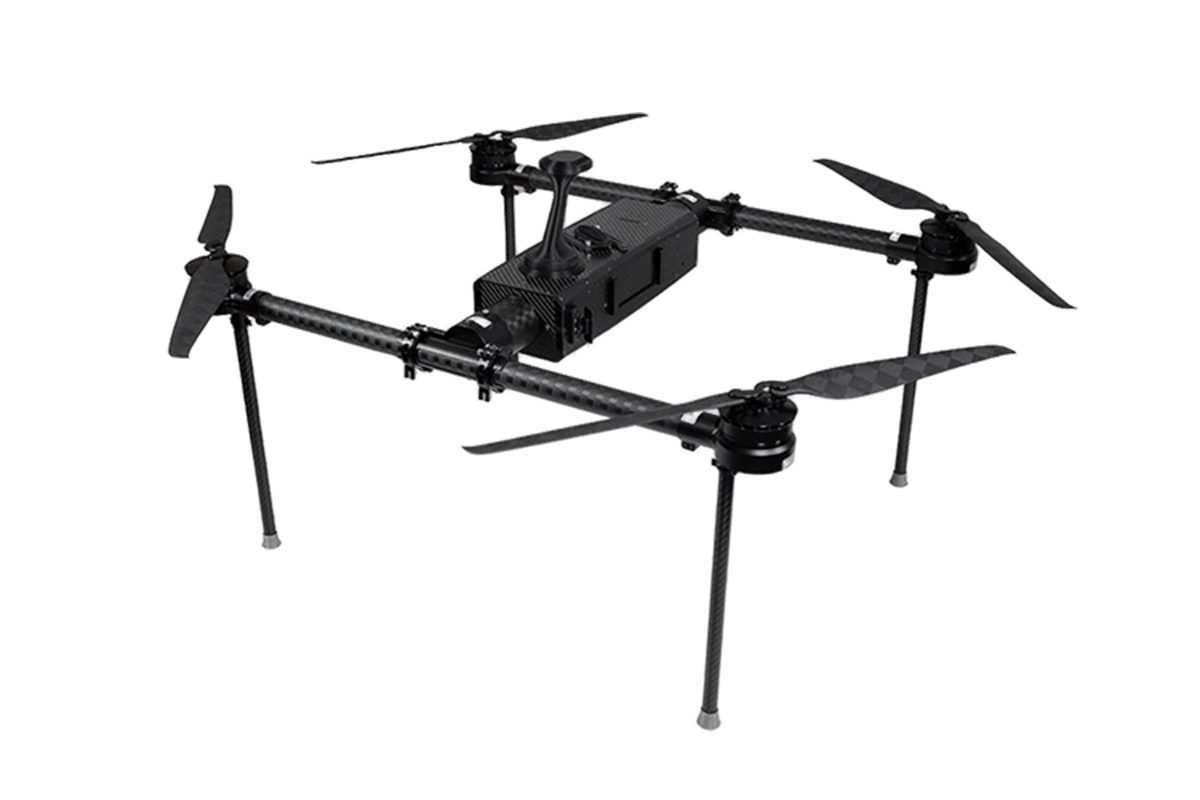 KEEL
KEEL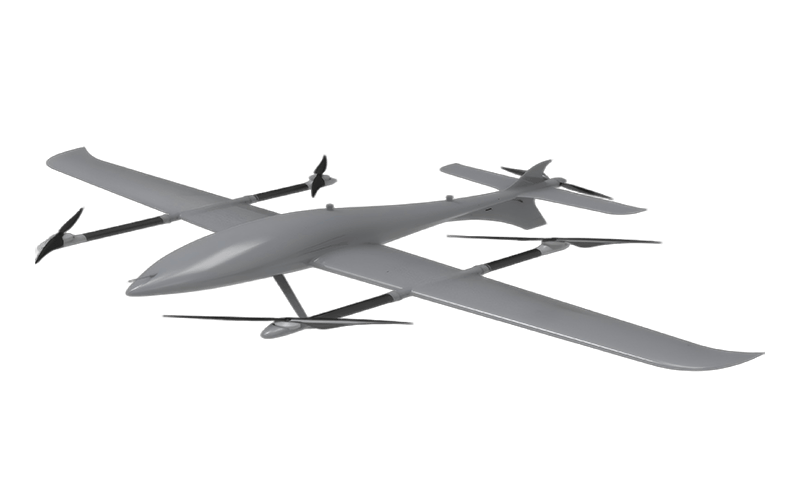 SKY NEXT
- DJI Matrice-4T
- DJI Matrice 4E Drone
- DJI Matrice 4TD
- DJI Matrice 30T
- DJI Mavic 3 Emterprise
- DJI Mavic 3M Multispectral Drone
- DJI RC 2 Plus Industry Plus
- DJI Matrice 4 Series Battery
- DJI Matrice 4D Series Batteries
- TB65 Intelligent Flight Battery
- TB100 Smart Flight Battery
- WB37 Battery
- DJI Accessories

In today’s fast-changing tech world, Commercial UAV Solutions are really shaking things up for businesses across a bunch of industries. Companies like DroneDeploy and PrecisionHawk are leading the charge, coming up with innovative ways to meet the unique needs of each sector. These solutions help businesses streamline their operations, boost efficiency, and gather important data right as it happens—pretty cool, right?
Of course, bringing drones into the mix isn’t always smooth sailing. Many companies run into tricky regulatory stuff and need to get everyone trained up properly. Plus, with different tech standards out there, it can get pretty confusing for folks who wanna jump in. That’s why ongoing education and support are so crucial in this space. And honestly, anyone looking to invest needs to carefully consider these challenges against the huge benefits drone tech can offer.
The potential here is huge—think agriculture, infrastructure inspections, and a ton of other areas. Each industry has its own special opportunities for deploying UAVs. But, and it’s a big but, businesses really need to ask themselves if they’re ready to take on this tech before diving in. Making the leap into this world isn’t just about having the gear; it’s about planning carefully and knowing what you’re doing every step of the way.

Understanding Commercial UAV Solutions: An Overview
Commercial UAV solutions have transformed various industries, including agriculture, construction, and logistics. According to a report by the Federal Aviation Administration (FAA), the commercial drone market is projected to reach $14 billion by 2027. This growth showcases the increasing reliance on UAV technology for efficient operations and cost-effectiveness.
These solutions offer unique capabilities. For instance, agricultural UAVs can monitor crop health, optimizing yields while minimizing resource use. Drones are also being used for aerial surveying, creating detailed maps rapidly. The versatility of UAVs enables businesses to respond quickly to market demands. However, challenges remain, including regulatory hurdles and privacy concerns. While technology advances, regulations struggle to keep pace, impacting implementation.
Data indicates that 63% of construction businesses are using UAVs in some capacity. Yet, some companies remain hesitant due to perceived risks and unclear ROI. Inadequate training and awareness also hinder widespread adoption. Addressing these concerns is essential for harnessing the full potential of UAV solutions in the global marketplace. As industries evolve, so too must the understanding of how to leverage these technologies effectively.
What is Commercial UAV Solutions for Global Buyers? - Understanding Commercial UAV Solutions: An Overview
| Application | Key Features | Benefits | Market Trends |
|---|---|---|---|
| Agriculture | Crop monitoring, precision farming | Increased yield, reduced costs | Growing adoption of smart farming |
| Construction | Site surveying, mapping, 3D modeling | Improved project management, safety | Integration of UAVs in project workflows |
| Infrastructure Inspection | Aerial inspections, real-time data | Reduced downtime, enhanced safety | Regulatory support for UAV operations |
| Delivery Services | Last-mile delivery, logistics | Faster delivery times, cost efficiency | Emerging trends in e-commerce |
| Environmental Monitoring | Wildlife tracking, pollution assessment | Data collection, conservation efforts | Increased focus on sustainability |
Maximizing Efficiency and Reach: The MMC M12 Professional Drone for Long-Range Commercial Applications
In today's rapidly evolving landscape of commercial UAV applications, the need for long-range, efficient drones has never been more critical. The MMC M12 professional drone embodies cutting-edge technology designed to maximize both operational efficiency and reach. With the ability to redefine the efficiency limits of VTOL fixed-wing drones, the M12 sets a new standard in the industry. According to a recent report from the Association for Unmanned Vehicle Systems International (AUVSI), the commercial drone market is projected to reach $43 billion by 2024. This growth underscores the increasing demand for specialized drones capable of performing in challenging environments while optimizing productivity and reducing operational costs.
The MMC M12’s design integrates advanced aerodynamics with high-efficiency propulsion systems, allowing for extended flight times and greater payload capacities. Research indicates that fixed-wing drones offer superior energy efficiency compared to traditional multi-rotor designs, enabling longer missions without the need for frequent recharging or refueling. This leap in technology not only enhances the drone's range but also optimizes its utility in sectors such as agriculture, logistics, and environmental monitoring. As businesses continue to adopt drone solutions for a variety of applications, the ability to maximize efficiency through long-range capabilities will be a key differentiator in maintaining competitive advantage and achieving sustainable operational goals.
As industries look for ways to enhance their operational workflows, the integration of sophisticated drone technologies like the MMC M12 could prove transformative. With advancements in sensors and data analytics, drones are becoming essential tools for gathering real-time data and insights. The rise of IoT and AI integrations within drone systems enables more comprehensive data collection and improved decision-making processes across various sectors. Thus, drones not only play a critical role in enhancing logistical efficiency but also contribute significantly to strategic planning and resource management in commercial applications.

FAQS
V solutions used for?
The market is projected to reach $14 billion by 2027, showcasing its increasing reliance.
Agricultural drones monitor crop health, optimize yields, and minimize resource usage effectively.
Regulatory hurdles and privacy concerns hinder implementation, despite technological advancements.
Companies may see perceived risks and unclear ROI, impacting their decision to adopt UAV solutions.
Buyers must evaluate specific applications, price, long-term costs, and training opportunities.
Compliance is crucial as different regions have varying regulations that must be met to avoid issues.
The integration of AI with UAV technology is improving operational efficiency across sectors.
Comprehensive training enhances an operator's capabilities, ensuring better outcomes and maximizing drone potential.
Inadequate training and limited awareness of UAV capabilities can restrict effective use in industries.
Conclusion
Commercial UAV Solutions are transforming various industries by offering innovative aerial technologies tailored for diverse applications. These solutions encompass multiple types of unmanned aerial vehicles (UAVs) available on the global market, each designed to address specific needs across sectors such as agriculture, logistics, and surveillance. Understanding the key applications of these UAV solutions allows businesses to leverage their capabilities effectively, enhancing operational efficiency and productivity.
However, potential buyers must navigate regulatory considerations and the challenges inherent in adopting UAV technologies. Factors influencing the selection of Commercial UAV Solutions include cost, performance, and compliance with local regulations. As the UAV industry evolves, emerging trends such as advancements in automation and AI integration are shaping the future landscape. By staying informed about these elements, global buyers can make strategic decisions that maximize the benefits of Commercial UAV Solutions while overcoming common obstacles in the acquisition process.
Related Posts
-

How to Choose the Best Commercial UAV Solutions for Your Needs?
-

How to Choose the Right Enterprise UAV for Your Business?
-

10 Best Construction Drones for Efficient Building Projects?
-

How to Choose the Best Commercial UAV Solutions for Your Business Needs
-

How to Choose the Best Enterprise UAVs for Your Business Needs
-

Top 5 Enterprise Drones Transforming Business Operations?
